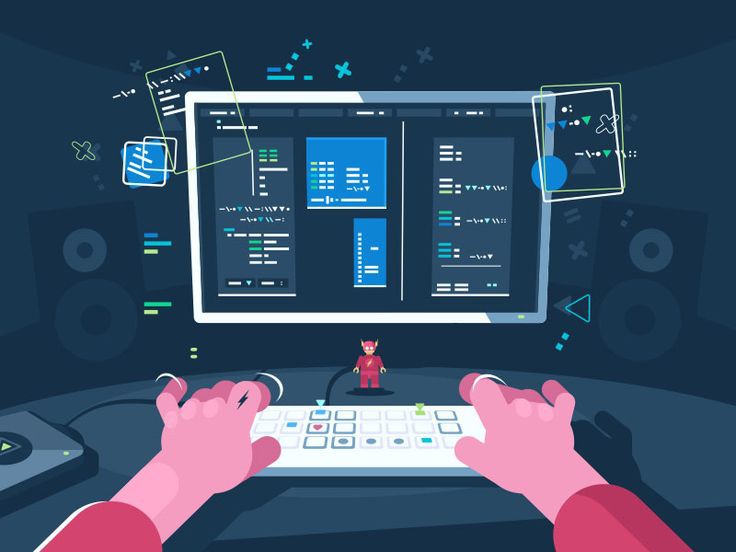
Remote work in 2026 has evolved beyond simple video calls and chat apps. We have entered the era of the Virtual Office and Agentic AI—where tools don’t just host your work; they actively help you manage it. For the Nigerian professional, mastering these tools is the key to securing international roles and maintaining a high output without the burnout of traditional 9-to-5 “digital friction.”
If you’re looking to build a workspace that is efficient, collaborative, and future-proof, here is the ultimate remote tech stack for 2026. We’ve categorized these by function to help you build your personal “Remote OS.”
1. Virtual Offices: Moving Beyond the Zoom Box
In 2026, “Presence” is the new priority. Virtual Office platforms recreate the feeling of being in a physical room without the commute. They allow for “spontaneous” collaboration, which was the biggest missing piece of early remote work.
- SoWork: The standout leader in 2026. It provides an AI-powered virtual office where your avatar can “walk up” to a teammate for a quick chat, reducing the need for scheduled meetings.
- Gather.town: Still a favorite for creative teams, using a 16-bit RPG-style interface to make remote work social and fun.
- Microsoft Teams (Mesh): For corporate environments, Mesh allows for 3D immersive spaces where you can collaborate using VR or standard desktop views.
2. Project Management: The “Single Source of Truth”
The biggest enemy of remote work is “Information Silos.” In 2026, the best project management tools act as a central hub for every document, task, and communication.
| Tool | Best For | Key 2026 Feature |
|---|---|---|
| Notion | Knowledge Management | AI-integrated Wiki that auto-updates task status from docs. |
| ClickUp | All-in-One Productivity | “ClickUp Brain” – An AI that summarizes entire project threads instantly. |
| Monday.com | Visual Workflows | High-level automation for non-tech departments like HR and Sales. |
| Linear | Software Development | The gold standard for high-speed, streamlined engineering teams. |
3. Communication: Sync vs. Async Mastery
Elite remote teams in 2026 prioritize Asynchronous Communication. This means you don’t always need to be “online” to be productive. These tools help bridge time zones (essential for Nigerians working for US or EU companies).
- Slack: Still the king of real-time chat, but now heavily focused on “Huddles” and “Canvases” for quick, informal collaboration.
- Loom: The essential tool for 2026. Instead of a 30-minute meeting, send a 2-minute video screen share. It saves hours of “sync time” every week.
- Pumble: A rising, affordable alternative for teams that want all-in-one collaboration without the enterprise price tag of Slack.
- Twist: Designed specifically for async-first teams, Twist threads conversations like a forum so you never feel the “FOMO” of missing a live chat.
4. AI Meeting Assistants: Never Take Notes Again
By 2026, if you are manually writing down meeting minutes, you are wasting time. AI assistants now attend your meetings, transcribe them, and assign action items automatically.
- Otter.ai / Fireflies.ai: These bots join your Zoom or Google Meet calls, transcribe the audio, and send a summary to your Slack channel before the call even ends.
- Read.ai: Takes it a step further by measuring “Meeting Wellness”—telling you if people are engaged or if the meeting is running too long.
5. The “Hardware” Stack: Investing in Your Infrastructure
Remote tools aren’t just software. For a Lagos-based professional, your physical infrastructure is your “Power Tool.” In 2026, your setup must include:
- Starlink or High-Speed Fiber: Reliability is your most important soft skill. In 2026, Starlink has become the standard for “Uninterrupted Remote Work” across Nigeria.
- Noise-Canceling Microphones: Tools like Krisp.ai (software) or dedicated headsets are mandatory to filter out background noise in busy households.
- Ergonomic Support: A proper chair and a standing desk converter aren’t luxuries; they are long-term health investments for a remote career.
How to Choose Your Stack
Don’t fall into the “Too Many Tabs” trap. The best remote stack is the one your team actually uses. Our Recommendation: Choose one tool for Communication (Slack), one for Projects (Notion), and one for Async Video (Loom). Keep it simple, keep it integrated.
Disclaimer
Disclaimer: Pricing and features for these tools are subject to change by their respective developers. This guide is based on 2026 industry standards for remote work efficiency. Some links may be affiliate links that support our platform at no extra cost to you.
About the Author